
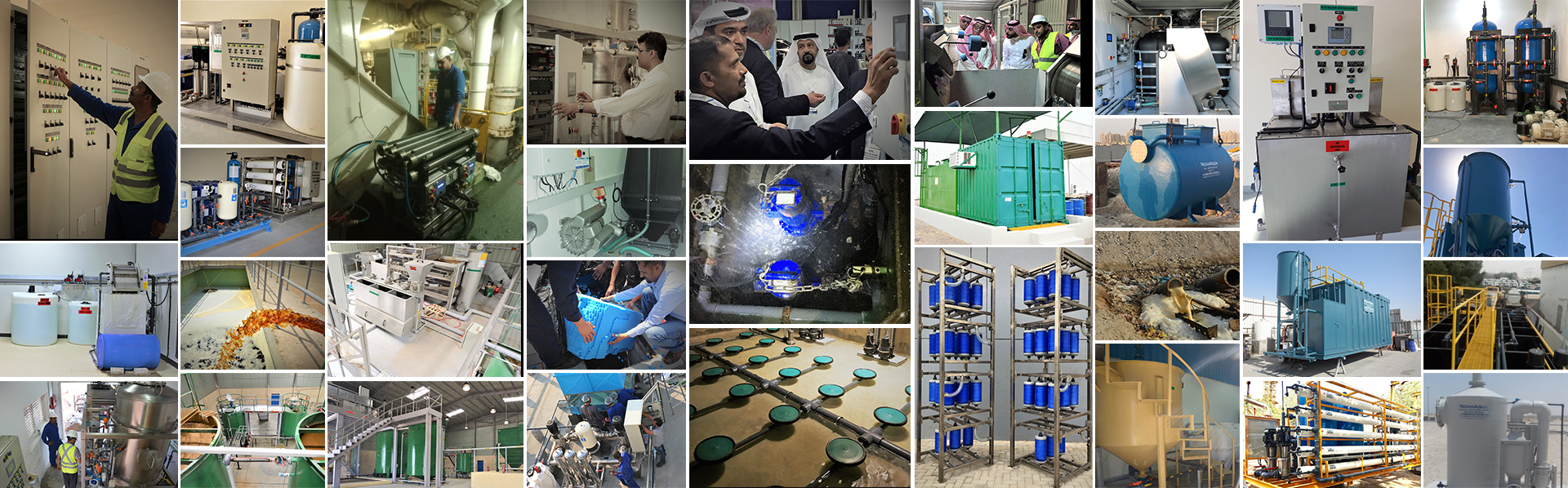

Modern effluent treatment plants: Essential in the water-scarce environment of the UAE
In the United Arab Emirates, water is not available in an abundant volume. As there is limited availability of natural fresh water, urban development is very fast and the industrial sector of the country is expanding, it is crucial to manage wastewater responsibly. With the help of advanced Effluent Treatment Plants (ETPs), it is possible to treat industrial wastewater to remove pollutants, chemicals and dangerous chemicals. Now, the demand for effluent treatment plants UAE is growing across industries, commercial facilities, etc. It is important to note that ETP is not just about compliance but about cost control, sustainability and protecting the environment.
Considering the water challenge of the UAE
In the UAE, annual rainfall is limited, and most of the water demand is met through distillation. While the destination manages to meet domestic and industrial needs, it is very expensive. At the same time, most of the industries generate large volumes of wastewater. Without proper treatment, there is a big possibility that the effluent can:
- Pollute the soil and the ground water
- Damage the marine ecosystem
- Create health risk for the public
- Lead to heavy fines as well as operational shutdowns
What is done by effluent treatment plants?
A modern effluent treatment plant is designed to treat the hazardous industrial wastewater by eliminating harmful contaminants prior to discharging the water. The treatment process and technology of the ETP includes physical, chemical and biological stages in order to ensure the water meets the regulatory standards of ETP.
Complying with the UAE environmental regulations
The UAE municipalities and environmental authorities have strict regulations. All the industries are expected to treat the wastewater before discharge. This is done to protect the public infrastructure and the environment. The ETPs help the business:
Best practices for acidic wastewater treatment in the UAE
- Meet the discharge standards that have been set by the local authorities
- Maintain the operational approval and license
- Avoid fines, penalties and legal actions
- Demonstrate that you have environmental responsibility
In simple words, the presence of ETPs protects businesses as well as the environment.
More support for water reuse and grey water recycling
One of the best known advantages associated with effluent treatment is the water reuse. The treated water can be used safely for other non-potable applications such as cooling towers, various industrial procedures, landscaping, etc. This is the key reason for the demand for the grey water recycling systems UAE have gone up. By using modern water treatment technologies, it is possible to reduce dependence on fresh water supplies.
Helping to save costs
It can be said that installing an effluent treatment plant UAE is just like making a long-term investment. With the help of the ETPs, it is possible to reduce:
- Freshwater procurement costs
- Tanker charges and sewage disposal
- Compliance risks and environmental penalties
It is our duty to protect the environment and reuse resources such as water. The treated and recycled water can lead to huge savings over time, especially for hotels, labor camps, factories, and large commercial facilities.
Some industries that commonly use ETPs in the UAE
- Manufacturing and industrial units
- Oil & gas facilities
- Food and beverage processing plants
- Chemical and pharmaceutical industries
- Hospital and healthcare facilities
- Large developments and commercial complexes
Choose a trusted company that can provide a sophisticated ETP system for your needs. Invest in modern ETP to ensure compliance, sustainability and ensure long-term savings.

